How Women in Leadership Are Shaping the Future of Rugby Across Africa
“Women are not just participants, but leaders,” says Maha Zaoui, Rugby Africa General Manager
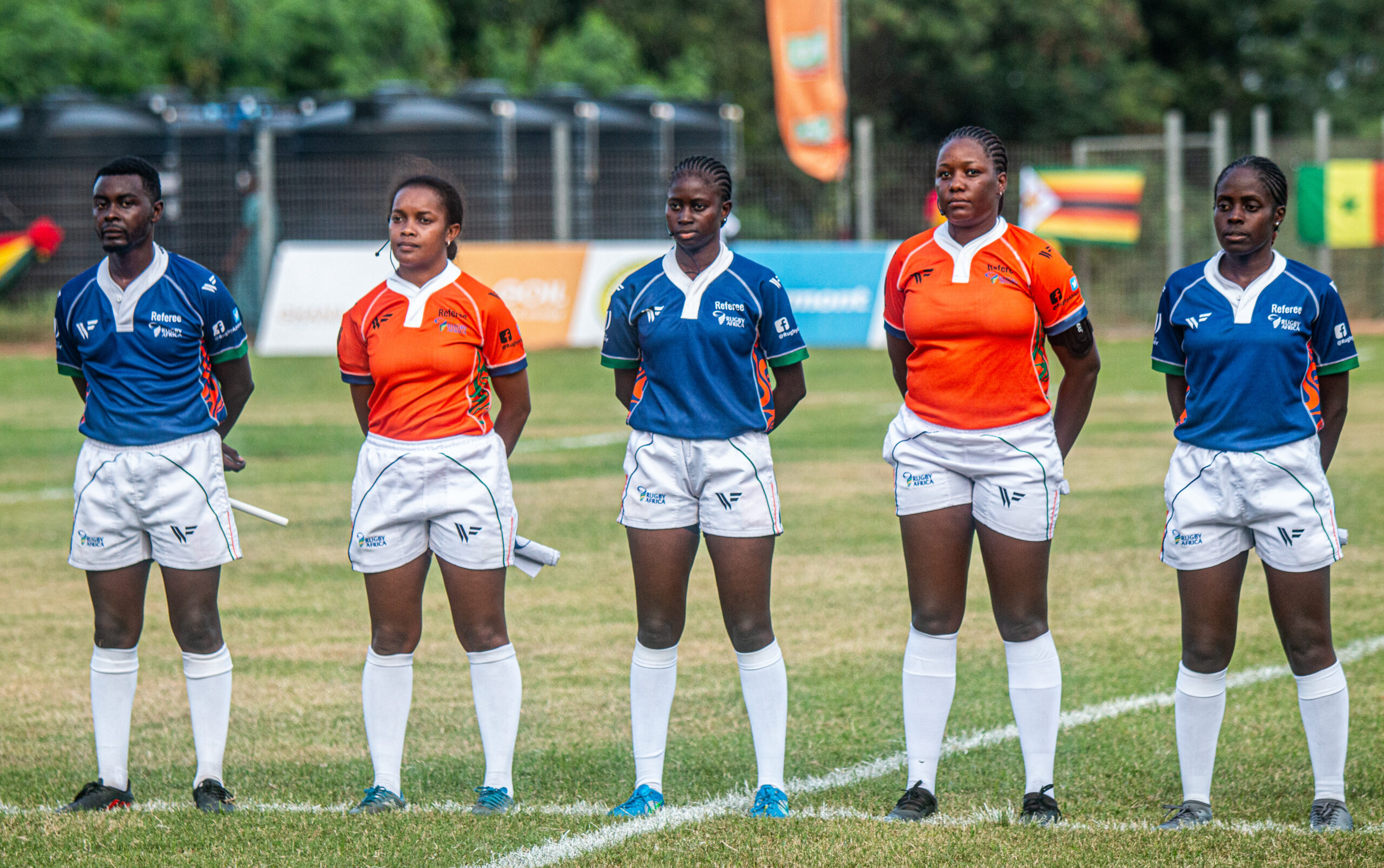
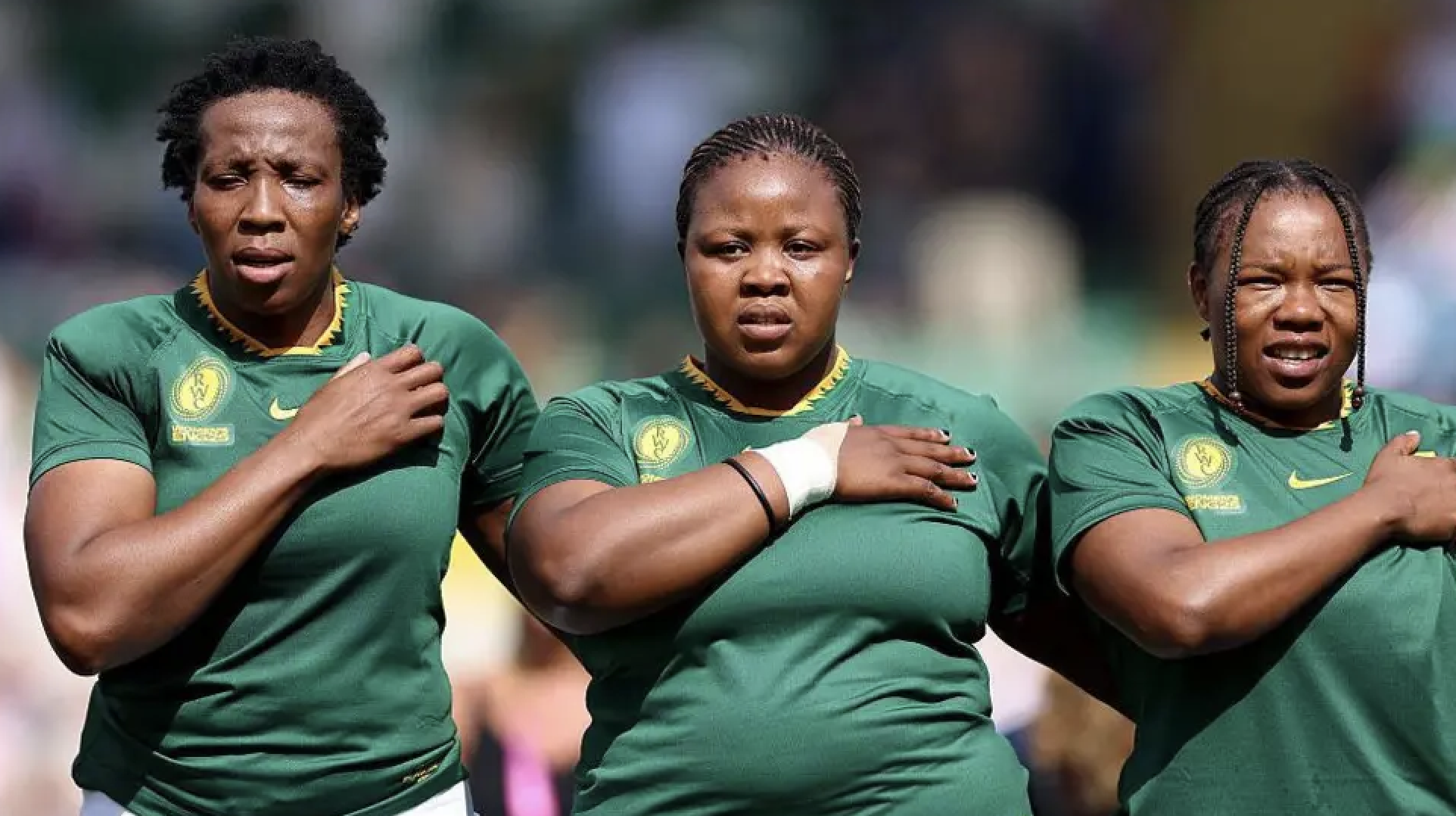
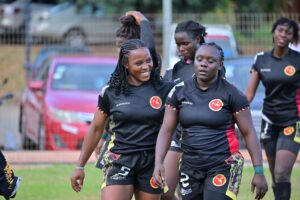
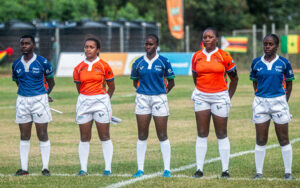
CAPE TOWN, South Africa – Africa made history at the Women’s Rugby World Cup in England. For the first time since 2006, South Africa reached the quarterfinals, while Zimbabwe’s Precious Pazani became the first African referee outside South Africa to officiate. These milestones come as African women rise in leadership, reshaping the continent’s rugby landscape.
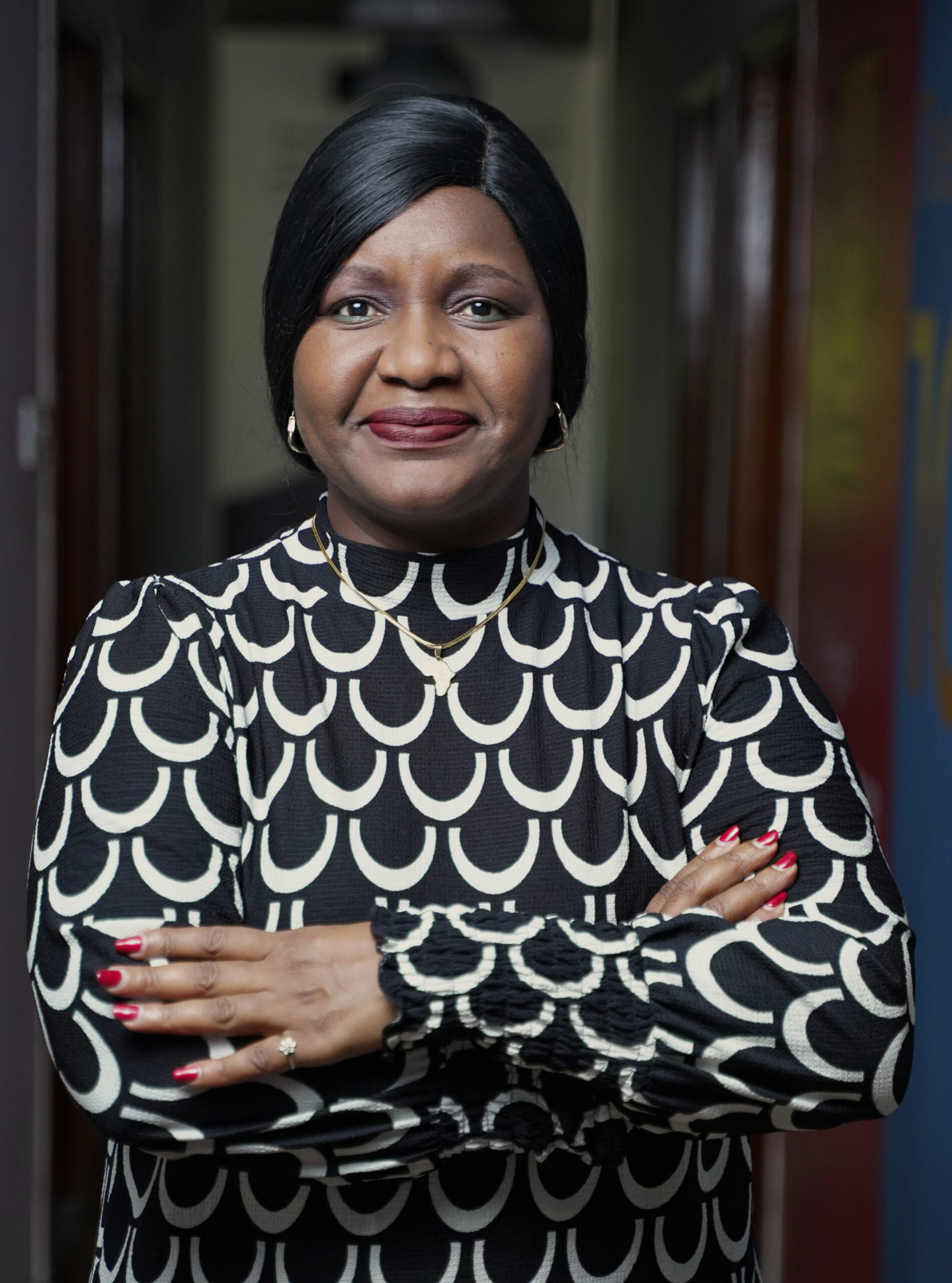
One of these rising figures is Tunisian national Maha Zaoui, appointed Rugby Africa’s General Manager in June 2025. Formerly the Women’s Rugby Manager, Zaoui brings over 20 years of leadership in African sports and holds a PhD in Physical and Sports Sciences.

Zaoui views her new role as a wonderful opportunity to uplift more women on the continent, and position them for influential positions in the game.
“For me, this appointment is not just a personal achievement,” Zaoui tells Rugby Africa Media.
“It is a collective opportunity for women across Africa. I want to use this position to ensure women are no longer just participants, but leaders, decision-makers, and role models within rugby. Ultimately, my vision is for African women’s rugby to not been seen as ‘developing’, but as a competitive, sustainable, and as a globally respected force. I want every girl in Africa to see that this sport belongs to her, that her voice matters, and that rugby can be a bridge towards leadership, dignity, and self-empowerment.”
Continuing this push for women’s leadership, Kenyan Paula Lanco, Rugby Africa Executive Committee Member and World Rugby Board Member, highlights how African rugby has embraced women leaders more than any other major sport on the continent.
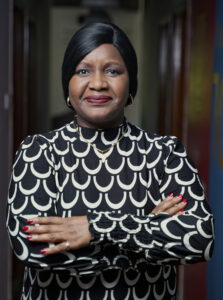
“Regarding the progress of women in leadership positions within Rugby Africa, I believe we have significantly surpassed other sporting disciplines in the region, impacting over 200 women,” Lanco says.
“We’ve made substantial strides in promoting women’s leadership through various representation and development programs.”

Lanco, appointed earlier this year to World Rugby’s Regulations Committee, is passionate about Rugby Africa’s Women’s Advisory Committee, established in 2020 to promote gender inclusion, especially in women’s rugby.
“We are actively leveraging the opportunities provided by World Rugby through the Women’s Advisory Committee,” she says. “This committee comprises a main committee and four working groups (communication, fundraising, workforce and sustainability), totaling 27 members including four men. These working groups are designed to offer leadership exposure at the top level and provide women with opportunities to learn and lead various initiatives aligned with World Rugby. For example, the Sustainability Working Group is championing the Environmental Sustainability Plan (ESP2030) across the region.”
Rugby Africa has great amount of gratitude for the game’s global ruling body, World Rugby, for the unwavering support rendered to all the development initiatives across the continent. Based in South Africa, Coralie van den Berg, Regional Partnerships Manager for Africa at World Rugby, is another high-ranking woman with an impeccable track-record.

“In my role, I see myself as a connector – helping to bring World Rugby, Rugby Africa, national unions, governments, sponsors and NGOs,” says Van den Berg.
“Sports does not exist in isolation; it is deeply intertwined with the social and economic fabric of our communities. That’s why we must leverage the power of rugby not only for athletic excellence but also for social change, particularly in advancing gender equality and healthy lifestyles.”
At World Rugby, Van den Berg represents everybody with an interest in African rugby. She’s however also aware of her special responsibility in the affairs of the women’s game, an obligation she is fully committed to.
“My goal is to ensure that women’s rugby is not treated as a side project,” Van den Berg says.
“It must be woven into every strategic conversation – whether we are talking about competitions, player welfare, grassroots programs, leadership structures, fundraising, or training and education. Women’s rugby must be seen as central to the sport’s future.”
Van den Berg admits that being in leadership isn’t always smooth sailing for the ladies.
“One of the biggest challenges for women in leadership is finding and maintaining our voice,” she remarks.
“Many of us are taught to believe that if we work hard and deliver results, our work will speak for itself. While high-quality work is essential, it is not always enough. Women also need to actively advocate for their ideas, highlight their contributions, and build allies to ensure their voices are heard. There are moments when you raise a concern or idea and it is overlooked – only to be acknowledged when repeated by someone else, often a man.”
“Those moments can be discouraging,” she says.
“But I use them as motivation to amplify my own voice and to encourage other women to do the same.”
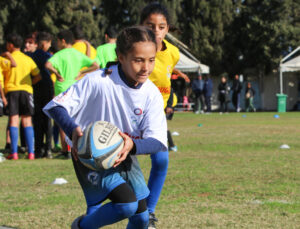
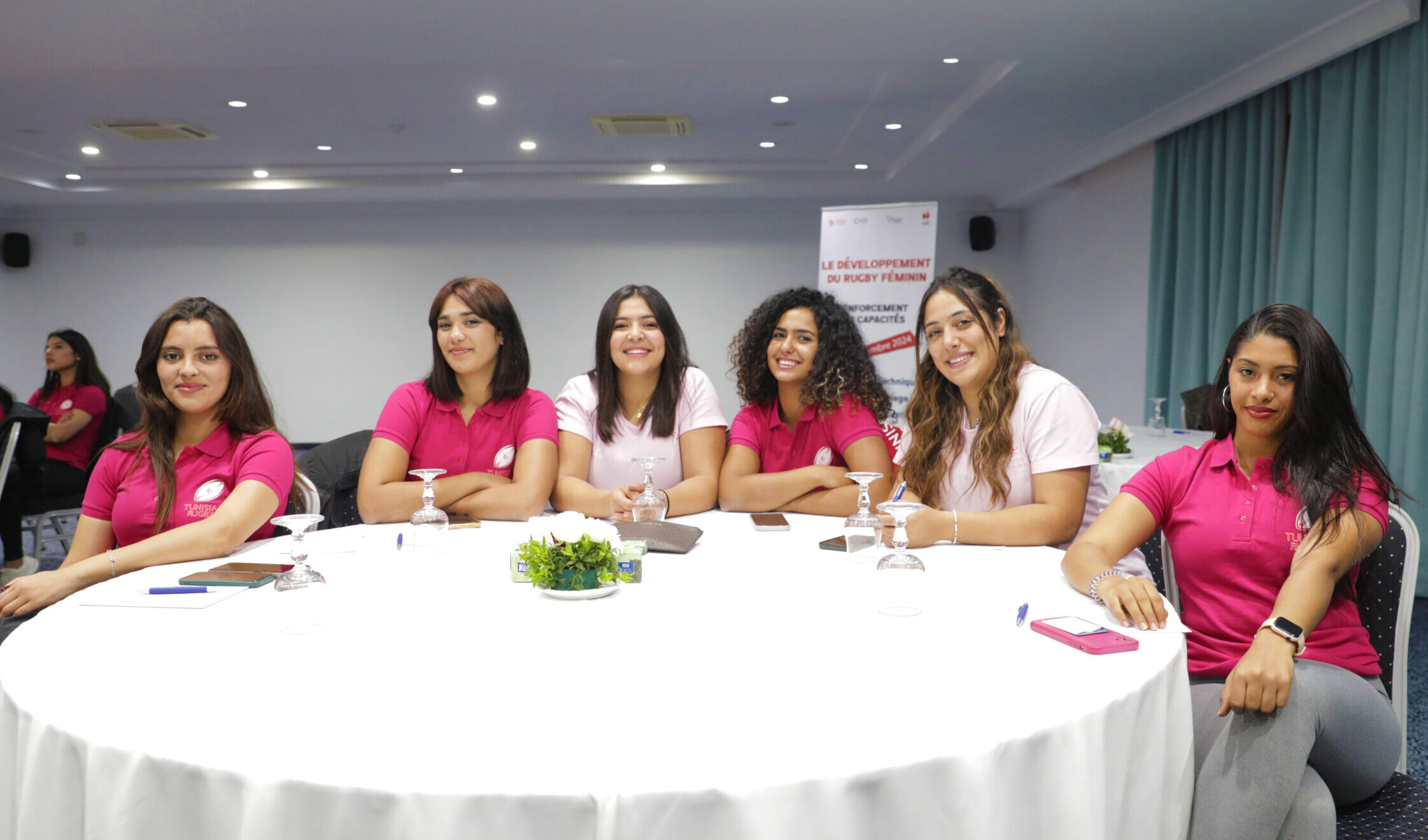
While challenges remain, Rugby Africa’s commitment to increasing women’s participation in leadership is clear. The organization is rolling out an Agence Française de Développement (AFD) (https://www.afd.fr/en) supported initiative to upskill women in refereeing, coaching, and administration across nine unions. Other programs include the Capgemini Women’s Leadership Scholarship, which has benefited 16 women across Africa, and the Impact Beyond 2025 Women’s Rugby World Cup campaign, “Her Strength, Her Impact, Our Dream,” involving 12 participants from six unions.
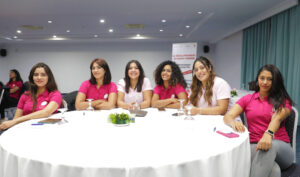
Rugby Africa has also called on 40 member unions to achieve 30 percent representation in leadership positions, launched a Sports Management Training Program that has trained 50 women across two cohorts, implemented the Grassroots to Global Leadership Forum across 10 unions, and supported four women from four unions through the Capgemini High Performance Coaching Program.
Written by Enock Muchinjo